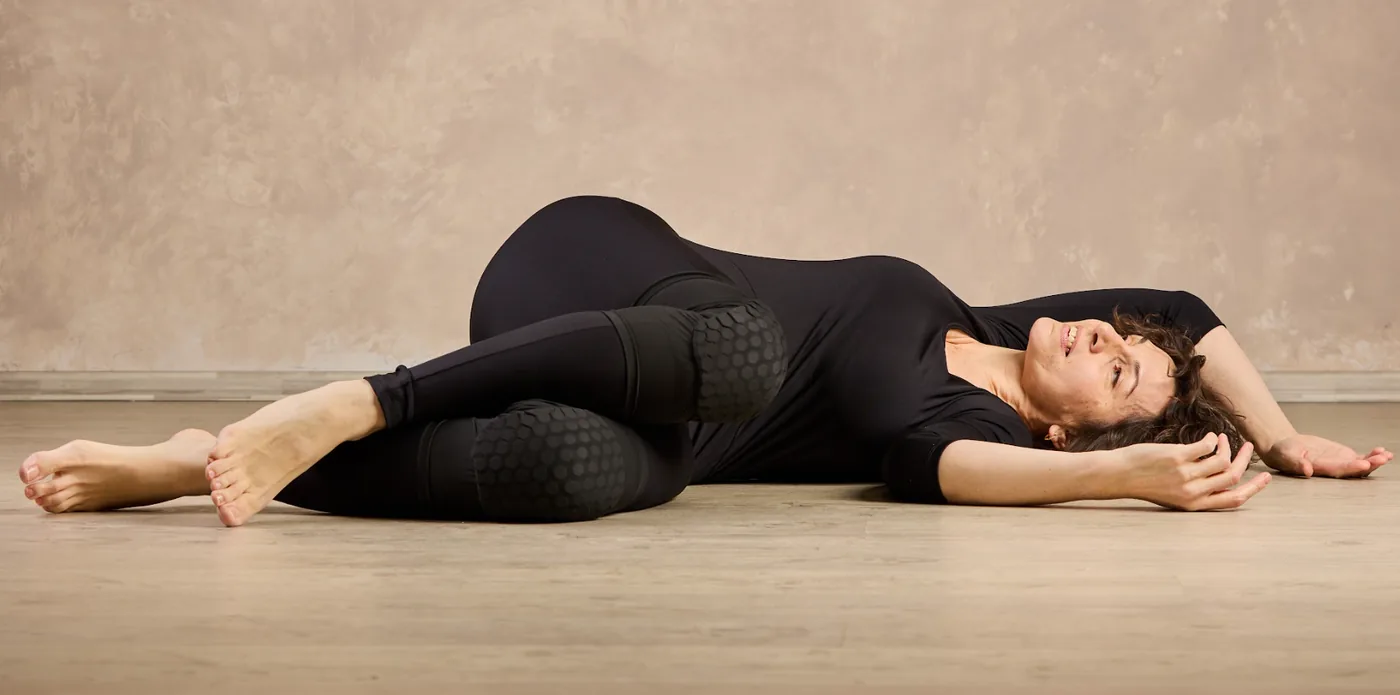
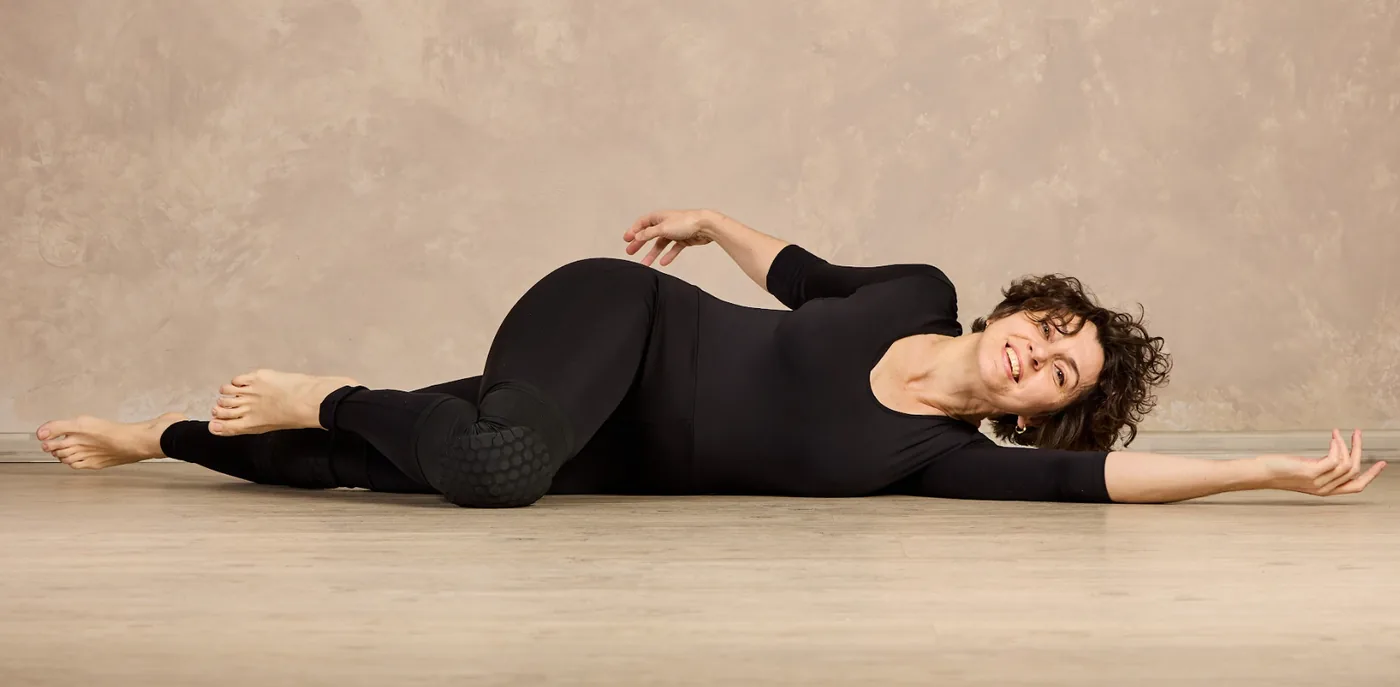
Yulia Zhirova
Nia 5 Stages
"Nia 5 Stages offers a simple, practical way to restore mobility by following the body's own natural developmental pathway."
Teaching Languages


Social Media & Contact
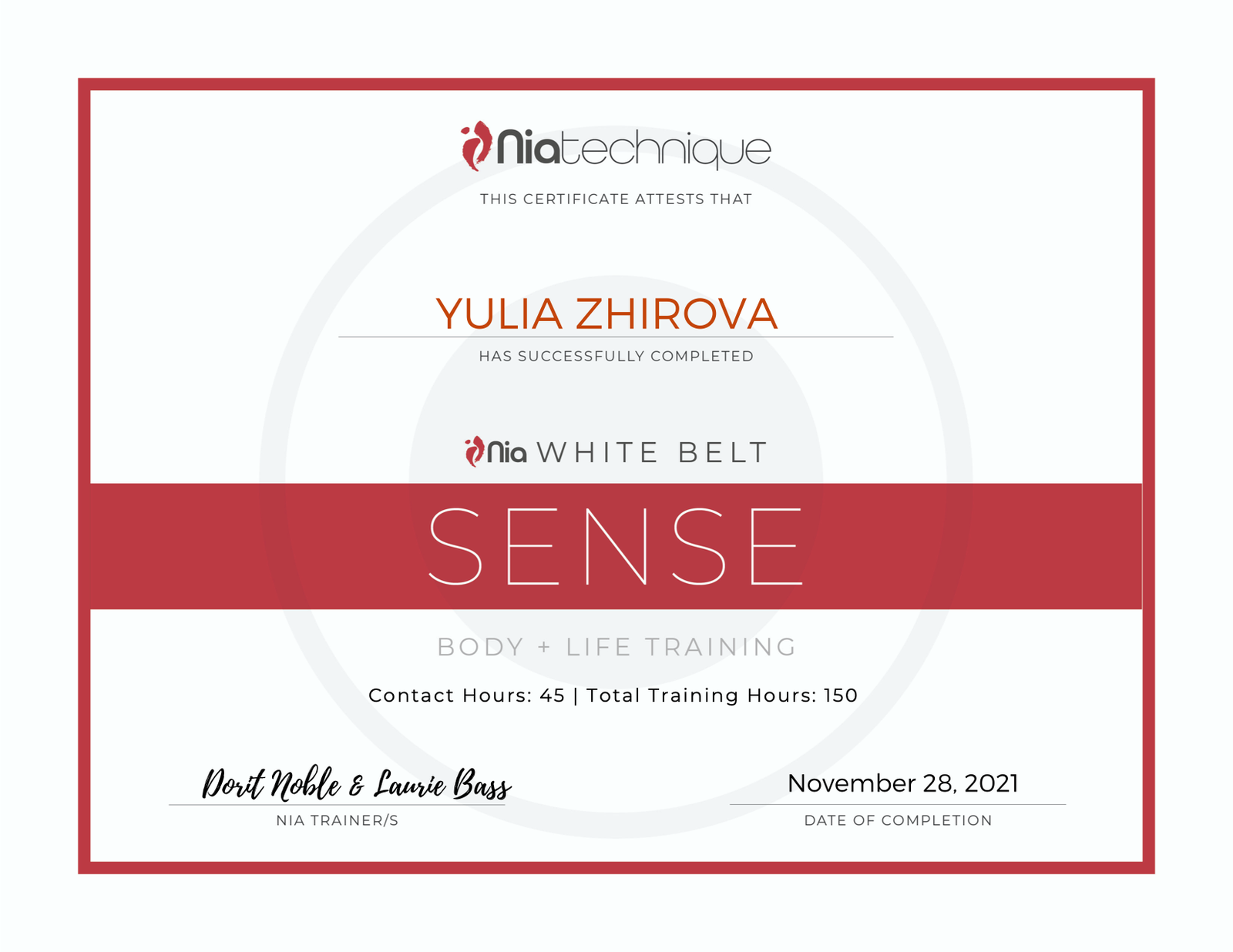
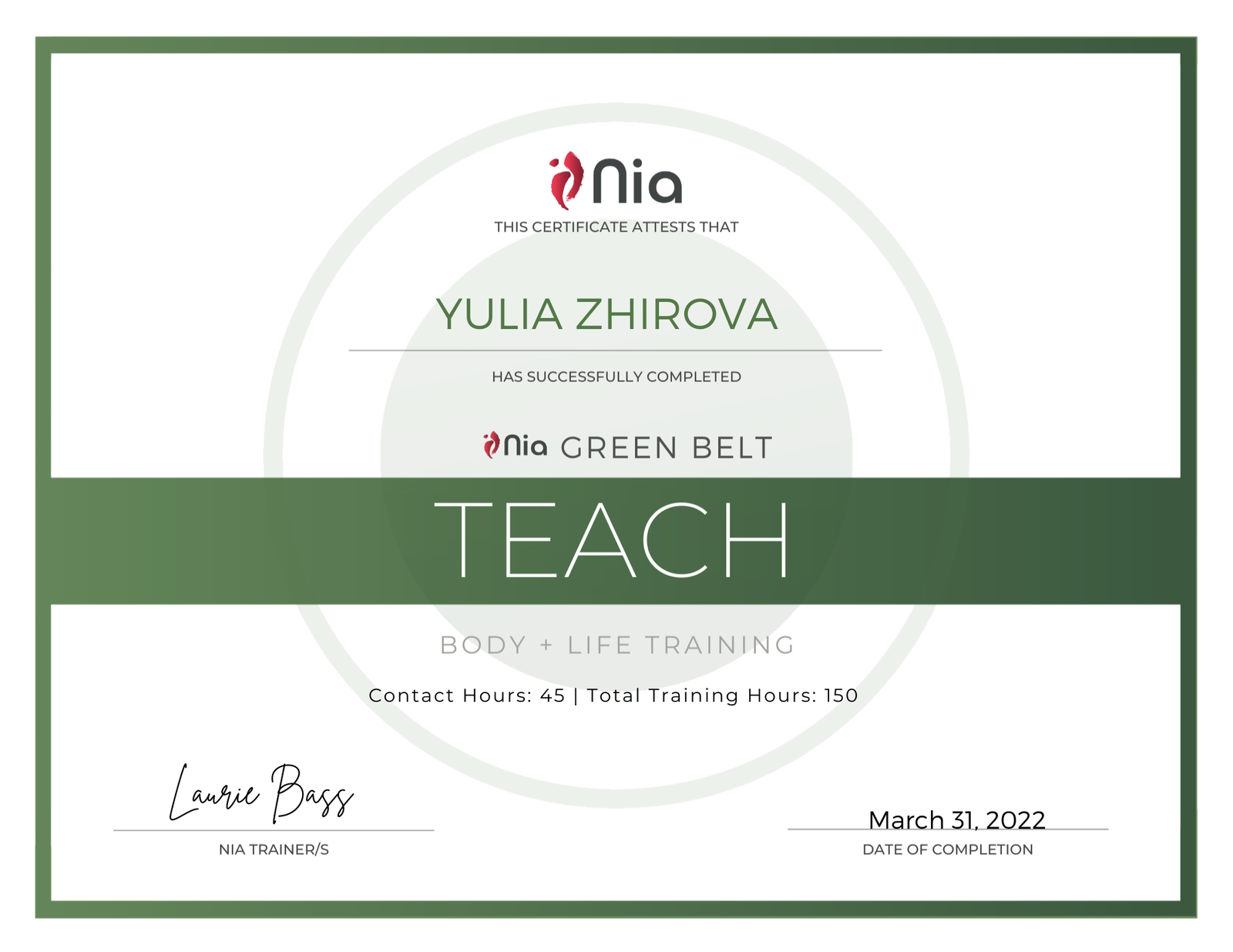
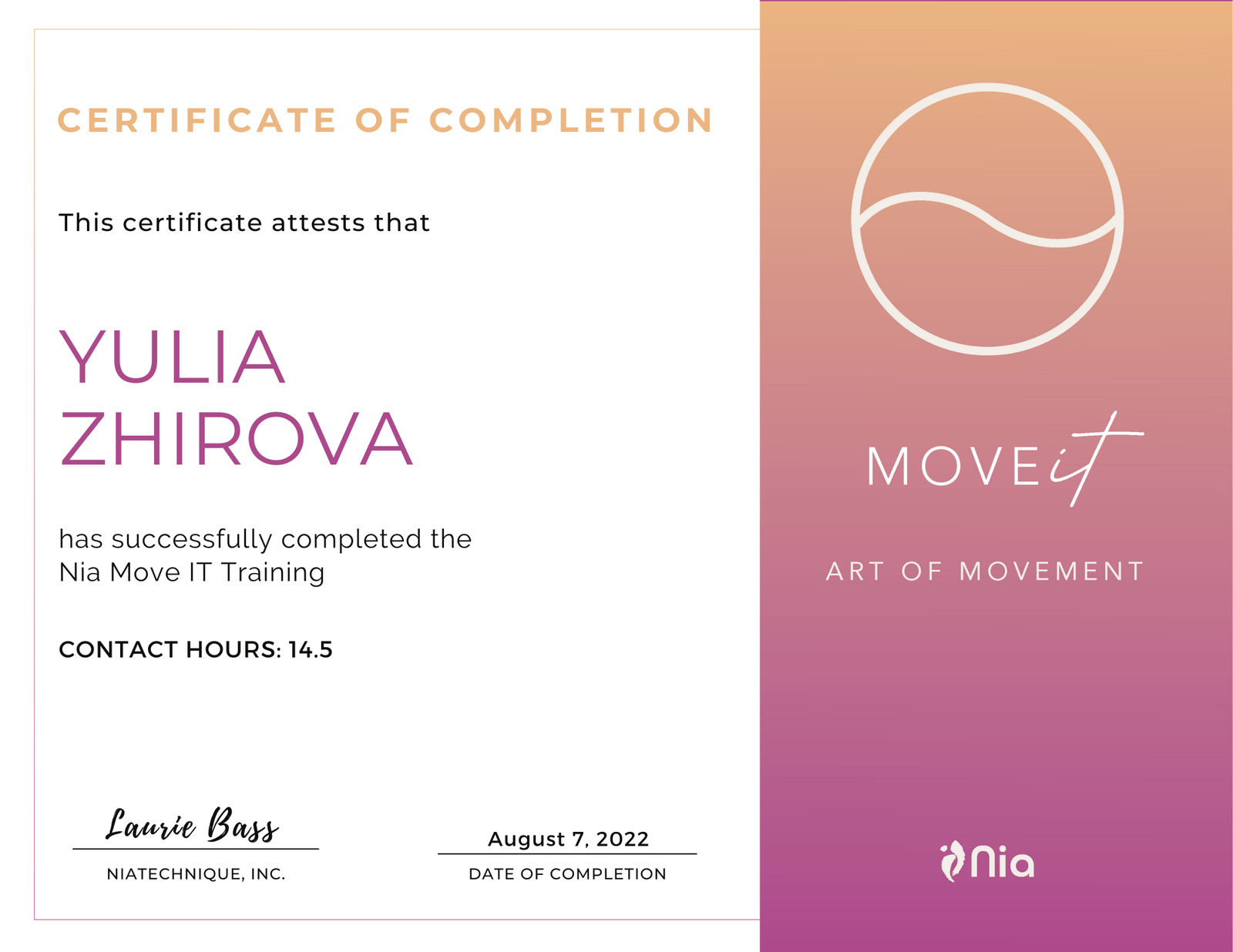
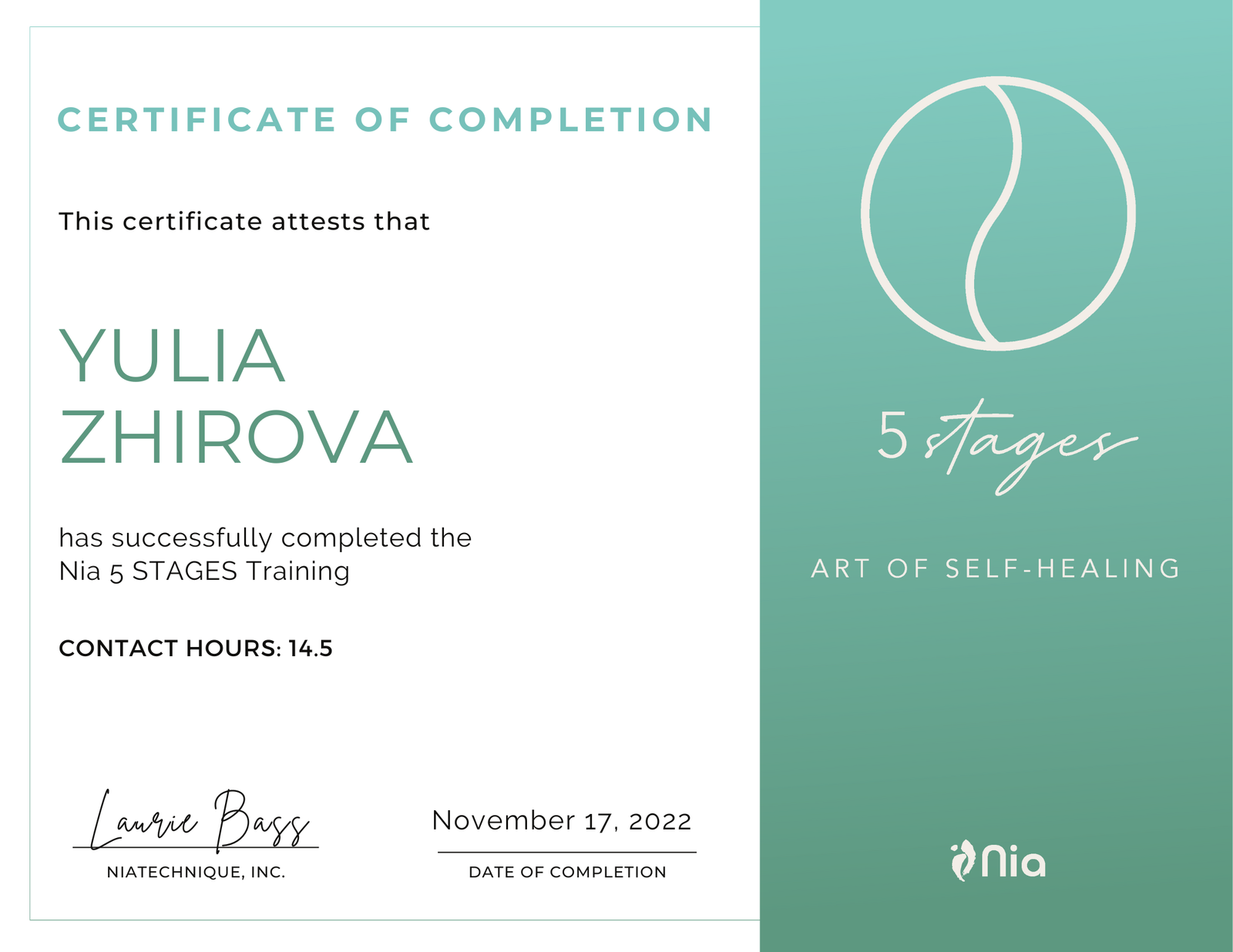
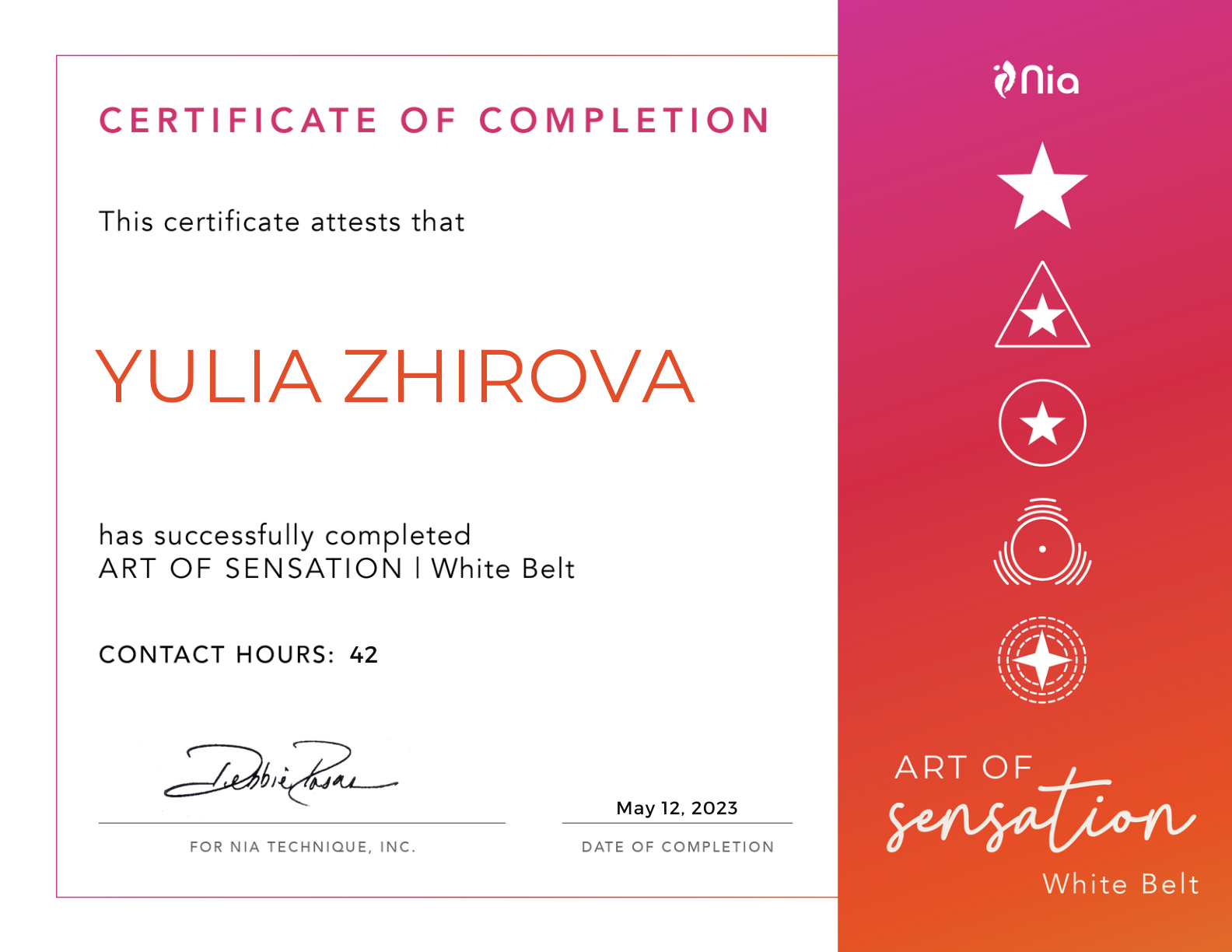
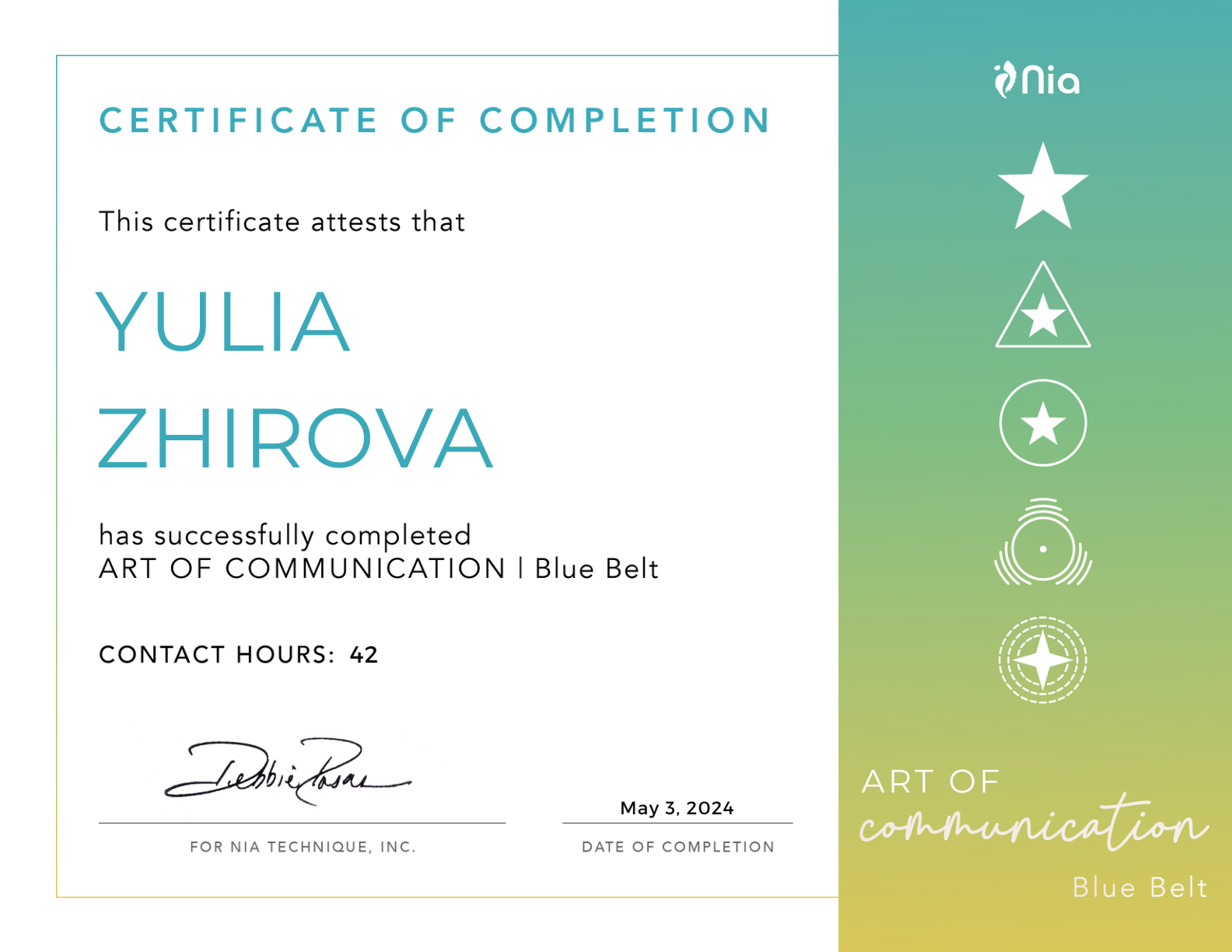
Certificates


My Journey
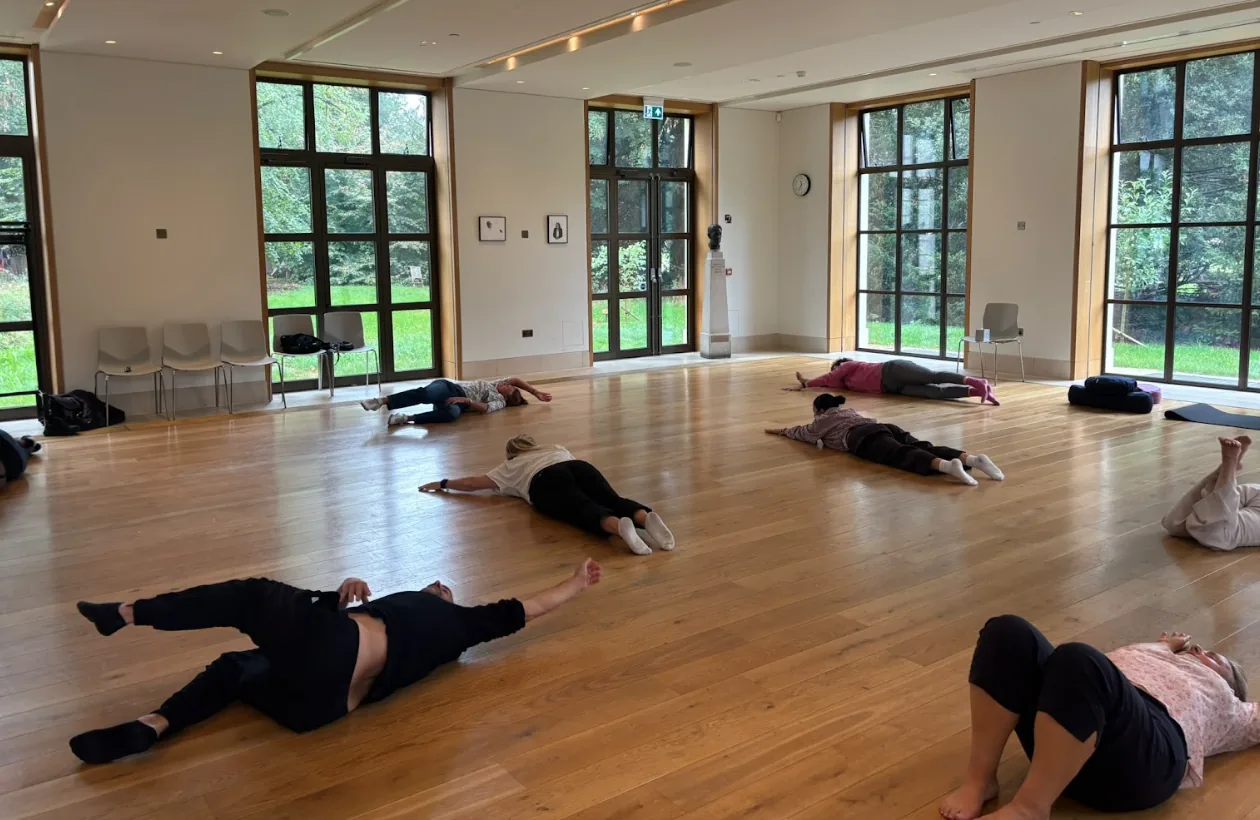
Nia 5 Stages at Goyoga Tallinn
Yulia Zhirova teaches Nia 5 Stages at Goyoga Tallinn : a simple, practical way to restore mobility by following the body's own natural developmental pathway. Classes are in Russian and English. See the practice page , the studio schedule , or the official Nia 5 Stages overview.
Five Stages can produce a noticeable effect very quickly, so even one, two or five minutes of practice can be enough to feel genuinely different in your body. Her classes are attentive, encouraging and joyful.
How the work began
She began at 18, when she read a book by Osho. Meditation and active body practices opened a long personal exploration. She led meditation camps, became a therapist, completed a second professional education, travelled, studied and practised many approaches.
She began with body-oriented psychotherapy and direct work with physical tension and the traces early experiences leave in us. Over the years this exploration moved towards contemporary approaches to trauma, a deeper understanding of neurobiology, and of how trauma and recovery involve the whole organism as an interconnected system.
One question stayed central: how can we restore our natural biological responses, rather than being guided by responses that developed as adaptations to early trauma or a non-optimal early environment?
When she discovered Nia 5 Stages, she was struck by its effectiveness, simplicity and elegance: using movements that belong to our natural biological development as a direct way of returning to the body's own capacity for movement and restoration. It became part of her regular practice, and she used it whenever she wanted to restore herself, feel better in her body and reconnect with her own movement.
Later she created and led 15-minute daily online Nia 5 Stages classes for two years, to explore how such a simple practice could support people during difficult periods. What she observed was deeply inspiring, and one reason she continues to share this practice.
Why Nia 5 Stages
She led her first training group at 20, and has led many groups and taught professionals since. Most of her work now is individual psychotherapy, and she wanted to offer her local community something she genuinely enjoys: Nia 5 Stages, so people can experience it for themselves.
First, it helped her with a long-standing physical problem of her own: chronic pain linked to scoliosis, lordosis and a hip joint issue. She understood the causes and spent years trying to correct posture and movement through different methods, but change came when she began practising Nia 5 Stages. Posture and movement shifted naturally.
Second, in the wider Nia community she sees results among friends and many different people, including older adults recovering after injuries and fractures.
Third, her work with complex trauma: someone in depression may find it hard to move at all, while for some people with ADHD movement can be too fast, disorganised or uncoordinated. Nia 5 Stages helps the body organise and coordinate itself through a bottom-up process, without effort. The body already has this built-in mechanism, and in Nia 5 Stages we engage it. She has seen this again and again with clients.
Specialisation and experience
Her specialisation is helping people reconnect with their own authentic, internally initiated movement, and allowing that movement to become embodied action. This thread runs through more than 25 years of work. She began leading groups at 20 and started working professionally with the body in her mid-twenties after training in Rebalancing.
This exploration led to specialised work with complex trauma and dissociation. In psychotherapy she works with Tift (Trauma Integrating Flow Therapy), based on safety, comfort and working within the comfort zone. Her movement work follows the same orientation: enough safety for the organism's own responses, impulses and movement to emerge. She is particularly interested in early, fundamental patterns: reflexes, responses and ways of moving that develop at the beginning of life. That is one reason Nia 5 Stages resonates so deeply with her work.
Over two years of the 15-minute online programme she saw people become more aware of their bodies, trust themselves more, stand up for themselves and make more spontaneous choices towards greater comfort. She also saw them begin exploring completely new forms of physical activity, from skateboarding and diving to other sports, because they had developed greater trust in what their bodies could do.
Credentials
Trained directly with Nia co-creator Debbie Rosas, and with Laurie Bass, specialising in Nia 5 Stages. Her Nia 5 Stages training, post-training teaching and mentoring were completed with Laurie Bass.
Off the mat
Her main profession is psychotherapy, with a focus on complex trauma. Nia brings joy, movement, warmth and self-expression alongside that work: she dances Nia every day, and Nia 5 Stages is part of her daily practice. Aikido is another practice that stays with her.
She is drawn to journeys that teach her something, and mostly travels for trainings and groups. A recent trip was to Transform Trauma Oxford 2026. Everyday life also includes Aiki, her energetic Jack Russell, who brings plenty of movement, play and spontaneity.
Next steps: see the Nia 5 Stages practice page , the schedule , visit yuliazhirova.com , or follow her on Instagram .
My Philosophy
Attentive, encouraging, joyful. Movement that comes from within rather than being imposed from outside.
Specializations
- Nia 5 Stages at Goyoga Tallinn
- Nia White Belt Training
- Nia 5 Stages Training, 2022
- Nia 5 Stages Post-Training Teaching and Mentoring, 2023
- Trained with Debbie Rosas and Laurie Bass
- Classes in Russian and English
- Attentive, encouraging, joyful
Practise with Me
All our teachers are available for private classes and events.
What students say
How students describe practising with this teacher
Gentle attention to your own needs
A gentle and caring way of relating to yourself, with attention to your own needs and resources. Regular Nia classes help create structure, recognise your wholeness and discover your inner strength.
Kind attention instead of overcoming
I only recently started practising Nia, and the experience feels unusual. The main tool is kind attention towards yourself and towards the impulses for movement that come from within. I am used to the feeling of overcoming myself in strength training and yoga, while in Nia classes something quite the opposite happens.
A gentle morning dialogue with myself
The morning classes became a space for a gentle dialogue with myself. It was as if every morning someone important came to me and asked how I was and what I wanted for myself right now. This important meeting with myself became possible thanks to the gentle way you, Yulia, supported the direction and quality of my attention. Your warm and engaged presence changed the way I see my states, whatever they may be, and helped me become closer to myself.
What teachers say
Recommendations from fellow teachers
Moments from Practice