Yoga Mantras & Vedic Chanting in Tallinn
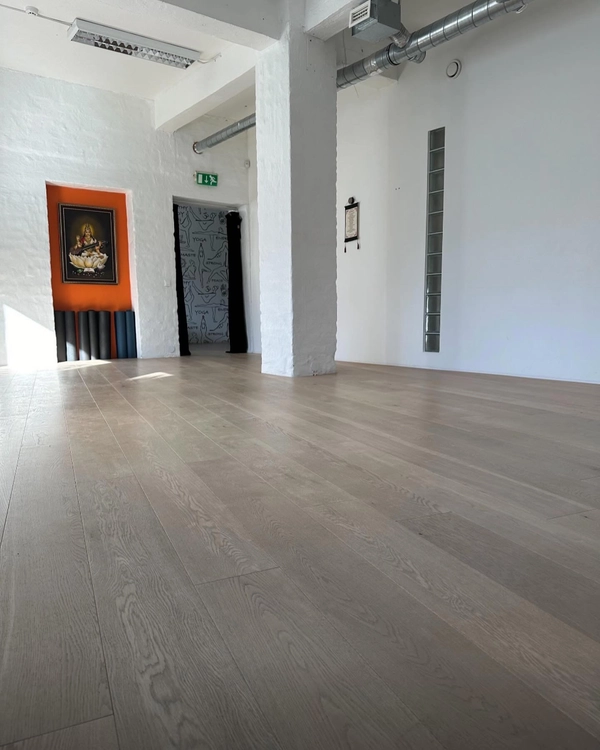
Vedic mantras are ancient Sanskrit chants that form the spiritual backbone of traditional yoga practice. At Goyoga Tallinn and Inbodhi Tallinn, mantras are woven into every Ashtanga yoga session, opening and closing each practice with sacred sound. In our warm studio at Narva mnt 7D in Tallinn city centre, you can experience the transformative power of chanting, connecting breath, voice, and intention in a lineage that stretches back thousands of years.
What are Vedic Mantras?
Sacred syllables rooted in the Vedas. Vedic mantras are rhythmic phrases composed in Sanskrit, the ancient liturgical language of India. They originate from the Vedas, the oldest spiritual texts known to humankind, dating back over 3,500 years. Each mantra carries a specific vibration believed to align the practitioner with universal energy.
More than words or music. Unlike ordinary speech or song, mantras are not chosen for their literary meaning alone. Their power lies in the precise arrangement of syllables and the vibrational quality they produce when chanted aloud. The combination of breath control (pranayama) and vocal resonance creates a meditative state that calms the nervous system and sharpens concentration.
A living tradition in Ashtanga Yoga. In the Ashtanga Yoga lineage taught at Goyoga Tallinn, mantras are not optional or decorative. They are integral to the practice. Every Mysore-style session begins and ends with specific chants that honour the teachers who preserved this knowledge and set the practitioner's intention for the work ahead.
Benefits and Tradition
Deepening focus and mental clarity. Chanting a mantra before practice draws the mind away from daily distractions and into a single point of attention. This anchoring effect is well documented in contemplative neuroscience: rhythmic vocalisation activates the vagus nerve, lowers cortisol, and promotes a calm yet alert mental state ideal for physical practice.
Cultivating devotion and gratitude. The Ashtanga Opening Mantra, known as the Vande Gurunam, is a prayer of gratitude to the lineage of teachers. By reciting it, practitioners acknowledge that yoga is not self-invented but received through a chain of dedication stretching from Patanjali to the present day. This act of humility creates a receptive mindset for learning.
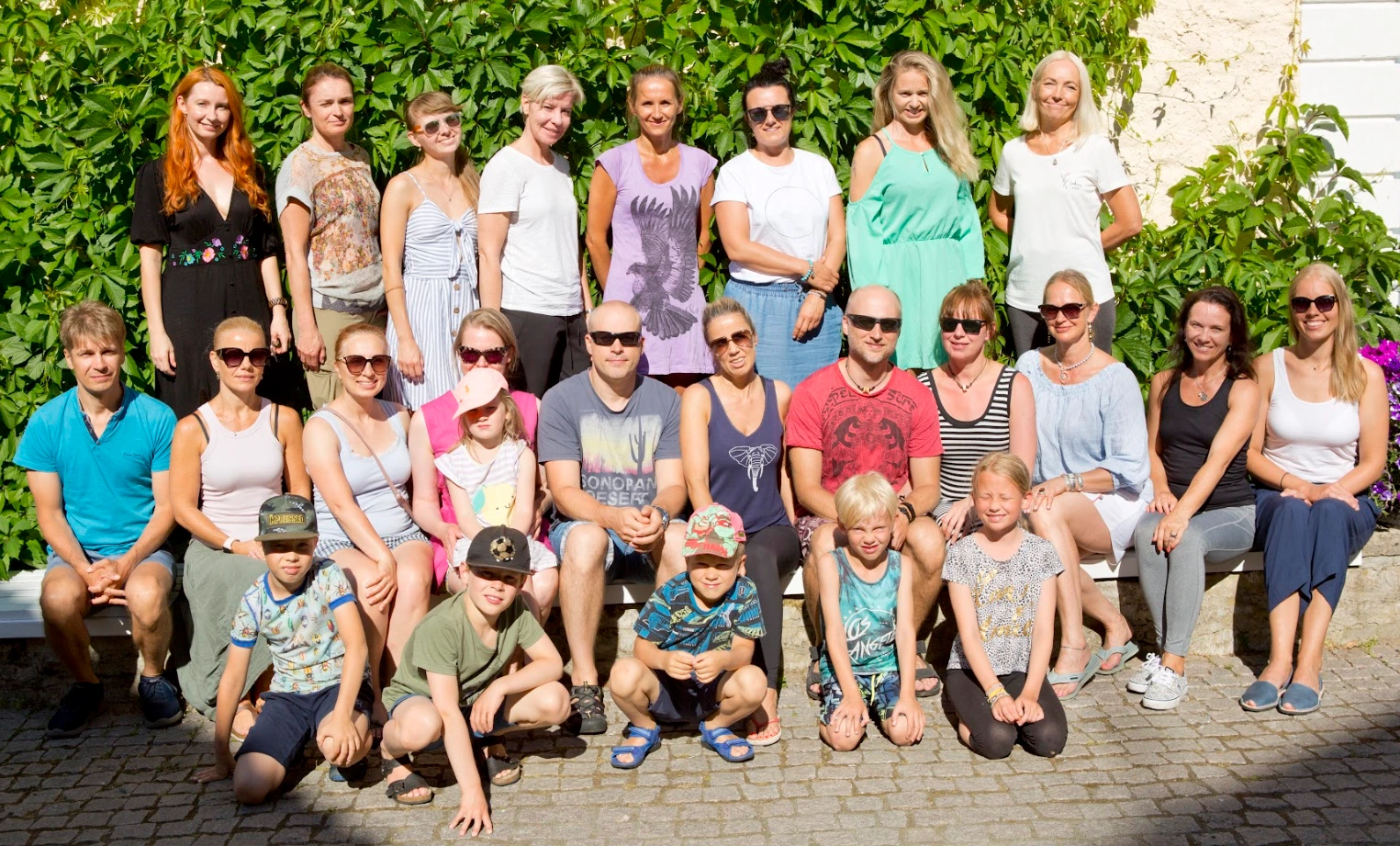
Building community through shared sound. When a room full of practitioners chants together, the shared vibration creates a tangible sense of unity. At Goyoga Tallinn, this communal chanting is one of the most moving aspects of the practice, forming bonds between students that extend well beyond the mat.
How We Practice at Goyoga Tallinn
The Opening Mantra (Vande Gurunam). Each Ashtanga Mysore class at Goyoga Tallinn begins with this invocation. The teacher leads the chant and students join in, creating a collective vibration that signals the transition from everyday life into sacred practice. The Sanskrit text honours the sage Patanjali and the lineage of yoga teachers.
The Closing Mantra (Mangala Mantra). At the end of practice, the Mangala Mantra is chanted to dedicate the benefits of practice to all beings. This closing ritual seals the energy generated during asana and pranayama, offering it outward as a gesture of compassion and service.
Mantra at special events. Goyoga Tallinn also features extended mantra and chanting sessions at community events such as International Yoga Day 2026 and seasonal gatherings. These events combine mantra with Sound Bath experiences, kirtan (call-and-response chanting), and guided meditation for deeper immersion.
The Ashtanga Yoga Mantras: Text and Meaning
Understanding the mantras you chant transforms them from unfamiliar sounds into a profound personal practice. Below are the two core mantras used at Goyoga Tallinn and Inbodhi Tallinn in every Ashtanga session.
Opening Mantra (Vande Gurunam)
Vande Gurunam charanaravinde
Sandarshita svatma sukhava bodhe
Nih sreyase jangalikayamane
Samsara halahala mohashantyaiAbahu purushakaram
Shankhachakrasi dharinam
Sahasra shirasam shvetam
Pranamami Patanjalim
This mantra salutes the lineage of yoga teachers and specifically honours Patanjali, the sage who compiled the Yoga Sutras. The imagery describes Patanjali in his mythological form: human from the waist up, holding a conch shell (divine sound), a discus (the wheel of time), and a sword (discrimination), crowned by a thousand-headed serpent representing infinite consciousness. The prayer asks for relief from the poison of conditioned existence through the practice of yoga.
Closing Mantra (Mangala Mantra)
Om
Svasthi praja bhyaha pari pala yantam
Nya yena margena mahim mahishaha
Go brahmanebhyaha shubham astu nityam
Lokah samastah sukhino bhavantu
Om Shanti Shanti Shantih
The Mangala Mantra is a universal peace prayer. It asks that rulers govern with justice, that all people and creatures prosper, and that happiness be experienced by all beings everywhere. The triple repetition of "Shanti" (peace) addresses three sources of suffering: disturbances from the environment, from other beings, and from within oneself. This closing chant transforms the personal benefits of practice into a wish for collective well-being.
The Science of Sound Vibration and Mantra Meditation
The effects of mantra chanting extend well beyond spiritual tradition. Modern research is beginning to confirm what yogis have practised for millennia: that repetitive vocal sound has measurable effects on the brain, nervous system, and emotional regulation.
Vagus nerve stimulation. Chanting produces sustained vibrations in the throat and chest cavity that stimulate the vagus nerve, the longest cranial nerve connecting the brain to the heart, lungs, and digestive organs. Vagal activation shifts the autonomic nervous system from sympathetic (fight-or-flight) to parasympathetic (rest-and-digest) dominance. A study published in the International Journal of Yoga found that Om chanting significantly increased vagal tone and induced physiological relaxation compared to rest alone.
Brainwave entrainment. Repetitive sound patterns, including mantra, have been shown to influence brainwave activity. EEG studies demonstrate that rhythmic chanting promotes alpha and theta brainwave states associated with deep relaxation, enhanced creativity, and meditative awareness. This is the neurological basis for the "focused calm" that practitioners report after chanting.
Stress hormone reduction. Research from the Yoga Alliance and peer-reviewed journals indicates that regular mantra meditation reduces cortisol levels, blood pressure, and markers of chronic stress. When combined with the physical practice of Ashtanga yoga, mantras create a synergistic effect: the body moves, the breath flows, and the voice grounds the mind in a single point of focus.
Sound therapy and resonance. The principles behind mantra chanting overlap significantly with modern sound therapy practices. At Goyoga Tallinn, practitioners who attend both Ashtanga classes with mantra and Sound Bath sessions often describe a deepening of their meditative experience. The gongs, singing bowls, and voice used in sound healing work on similar principles of resonance and vibrational entrainment.
Frequently Asked Questions
Do I need to know Sanskrit to chant mantras at Goyoga Tallinn?
Not at all. You do not need any prior knowledge of Sanskrit. The teacher chants each mantra clearly and students follow along by listening and repeating. Over time, the syllables become familiar and the chant becomes second nature. Many practitioners find that simply hearing the mantra and allowing the vibrations to wash over them is enough to receive its benefits. Printed transliterations are also available in the studio for those who want to read along.
What is the difference between mantra chanting and kirtan?
Mantra chanting in the Ashtanga tradition is a specific, structured invocation performed at the beginning and end of practice. It follows a set text and rhythm passed down through the lineage. Kirtan, by contrast, is a devotional call-and-response style of chanting that is more musical and freeform, often accompanied by instruments such as harmonium and drums. Goyoga Tallinn occasionally hosts kirtan evenings and community chanting events that complement the daily mantra practice.
Is mantra chanting religious? Can I participate if I follow a different faith or none?
The mantras used at Goyoga Tallinn are philosophical and contemplative rather than sectarian. They express gratitude toward teachers, a wish for peace and well-being for all beings, and reverence for the practice itself. They are not prayers to any specific deity in a devotional religious sense. Practitioners of all backgrounds and beliefs participate comfortably. If chanting feels unfamiliar, you are always welcome to simply listen and absorb the vibration without vocalising.
Can mantra meditation help with anxiety and sleep problems?
Yes. The combination of rhythmic breathing and vocal vibration activates the parasympathetic nervous system, which directly counters the physiological stress response. Many Goyoga Tallinn practitioners report that regular mantra practice improves their ability to fall asleep, reduces racing thoughts, and lowers general anxiety levels. Combining mantra with a calming physical practice such as Yin Yoga or ending the day with a Sound Bath session creates a particularly effective routine for managing stress and sleep quality.
Will mantras be part of the International Yoga Day 2026 event at Goyoga Tallinn?
Absolutely. International Yoga Day 2026 at Goyoga Tallinn will feature extended mantra and chanting sessions alongside Ashtanga practice, Sound Bath meditation, and community workshops. This annual celebration is a wonderful opportunity to experience the full depth of the yoga tradition, including guided mantra practice suitable for complete beginners. Check the events section for the latest schedule and details.
Experience the power of mantra
Step onto the mat and discover how ancient chanting transforms your yoga practice. The Studio Explorer Pass (29 euros) lets you try 3 different classes. Experience an Ashtanga Mysore session with opening and closing mantras, a Sound Bath, and any other class that calls to you.
Includes 3 yoga classes of your choice. Valid for 30 days.
Need help finding the right style?
Leave your contact details and we will help you find the most suitable class and teacher.
Discover More
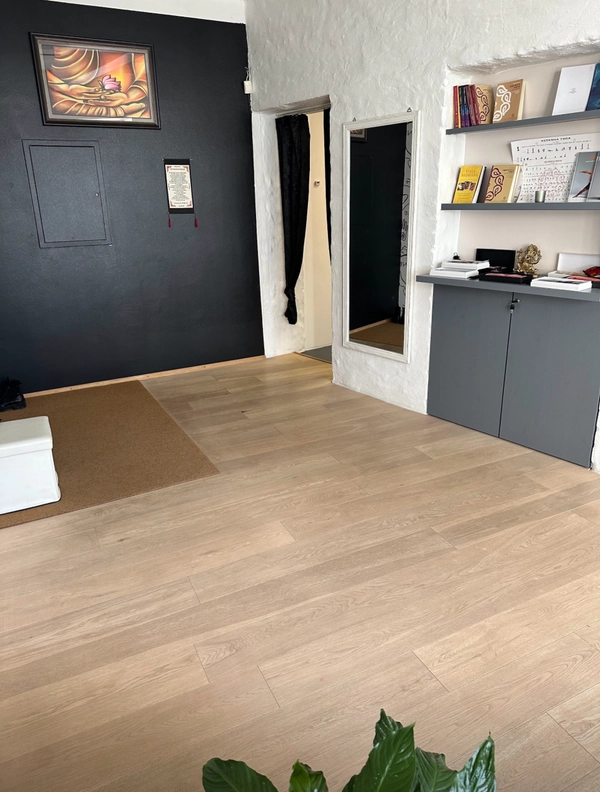
Ashtanga Mysore
The traditional self-paced Ashtanga practice where mantras are chanted daily. Individual guidance in a supportive group setting.
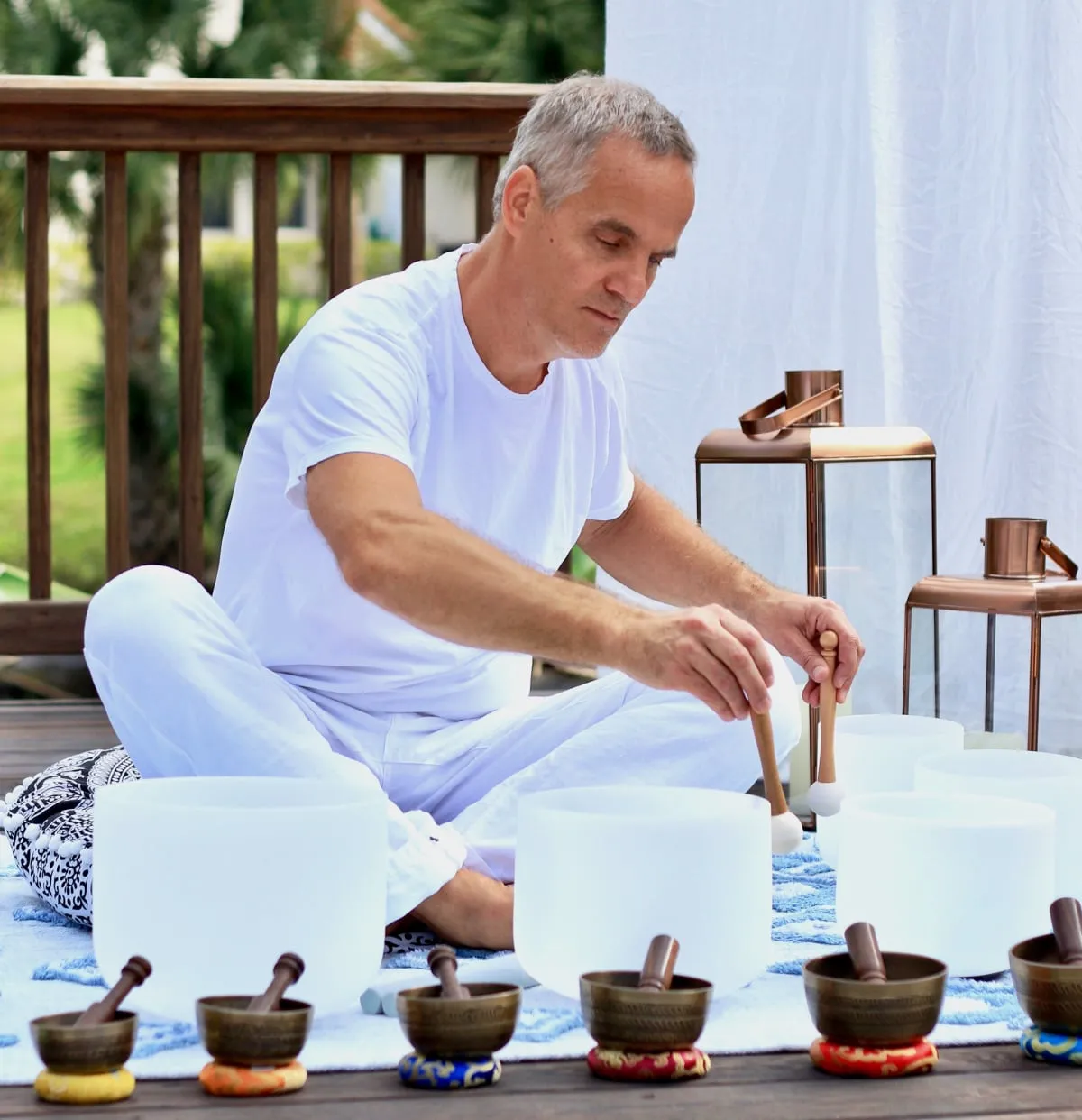
Sound Bath for Sleep
Gongs, crystal bowls, and deep vibrational healing. A passive sound meditation that complements the active resonance of mantra.
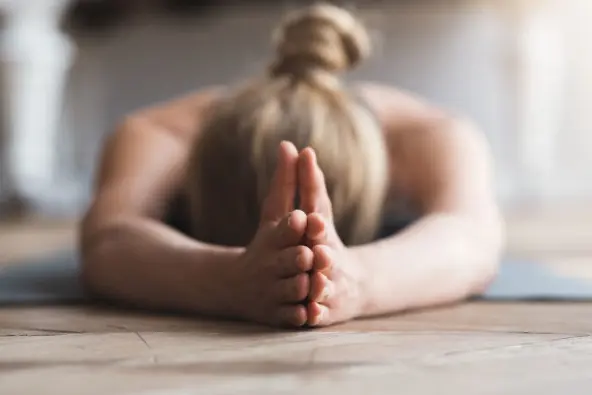
Yoga for Stress Relief
Evidence-based methods for stress relief through yoga, breathwork, and guided meditation including mantra techniques.
Our Studio
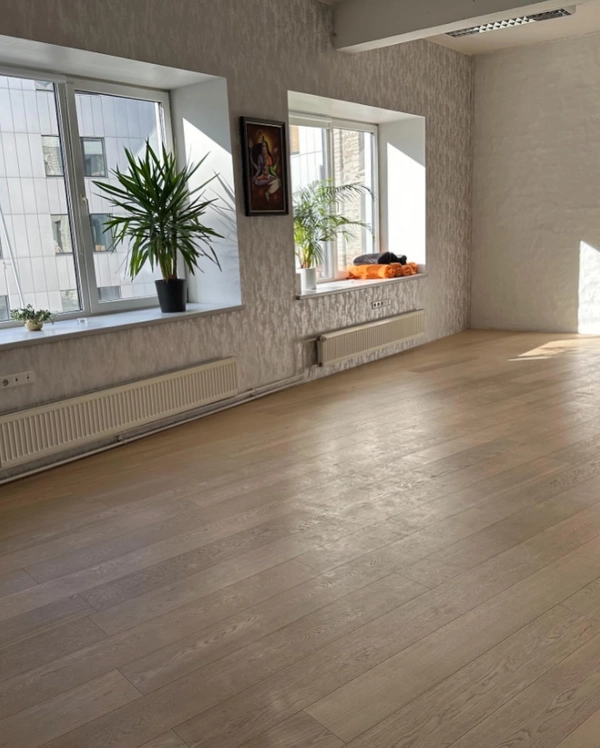
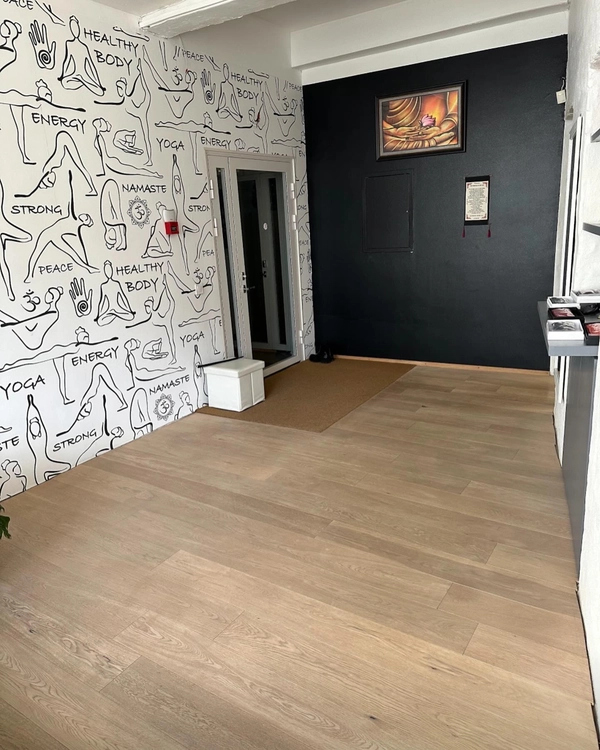
A warm, peaceful space in the heart of Tallinn, Narva mnt 7D, Block B, designed for practice and restoration.