Restorative Yoga in Tallinn
Restorative yoga is the art of doing less so your body can heal more. In this gentle, prop-supported practice at Goyoga Tallinn (Narva mnt 7D, Block B). you settle into carefully arranged bolsters, blankets, and cushions, holding each pose for 5 to 15 minutes while your nervous system shifts into deep recovery mode. No effort, no stretching, just complete surrender and renewal.
What is restorative yoga and how does it work?
Complete support through props. Restorative yoga uses bolsters, folded blankets, blocks, eye pillows, and straps to create a fully supported environment for each pose. Your body rests entirely on the props, so there is zero muscular effort. This total support is what distinguishes restorative yoga from all other styles.
Activating the parasympathetic nervous system. When your body is completely supported and still for extended periods, the "fight or flight" response quiets down and the parasympathetic "rest and digest" system takes over. Cortisol levels drop, heart rate slows, and your body enters a state of profound physiological healing.
Longer holds for deeper recovery. Poses are held for 5 to 15 minutes each, significantly longer than in most yoga styles. This extended stillness allows your organs, glands, and tissues to receive increased blood flow and oxygen, promoting cellular repair and immune function.
Who benefits from restorative yoga?
Stress recovery and burnout prevention. Restorative yoga is one of the most effective practices for people experiencing chronic stress, burnout, or adrenal fatigue. The prolonged stillness and supported postures signal safety to your nervous system, helping to break the cycle of constant tension and mental overload.
Sleep difficulties and insomnia. If you struggle to fall asleep or wake frequently during the night, restorative yoga can help retrain your body's ability to relax deeply. Many practitioners report improved sleep quality after just a few sessions, as the practice teaches the nervous system how to shift from alertness to rest.
Injury recovery and chronic conditions. Because there is no stretching or physical demand, restorative yoga is safe for people recovering from injuries, surgery, or living with chronic pain conditions such as fibromyalgia, chronic fatigue syndrome, or autoimmune disorders. The gentle nature of the practice makes it accessible when other forms of exercise are not.
How restorative yoga differs from Yin yoga
Restorative yoga and Yin Yoga are often confused, but they serve different purposes:
- Restorative yoga: Full prop support, zero stretch, 5 to 15 minute holds. The goal is complete relaxation and nervous system recovery.
- Yin Yoga: Moderate stretch targeting fascia and connective tissue, 3 to 5 minute holds. The goal is increased flexibility and joint health.
Think of it this way: In Yin Yoga, you feel a gentle stretch and work with your edge. In restorative yoga, you should feel absolutely nothing except comfort and warmth. The props do all the work, and your only job is to let go completely.
Both practices are valuable, and many Goyoga Tallinn practitioners attend both. Restorative yoga is the better choice when you are exhausted, recovering, or simply need a complete reset.
Restorative yoga practice at Goyoga Tallinn
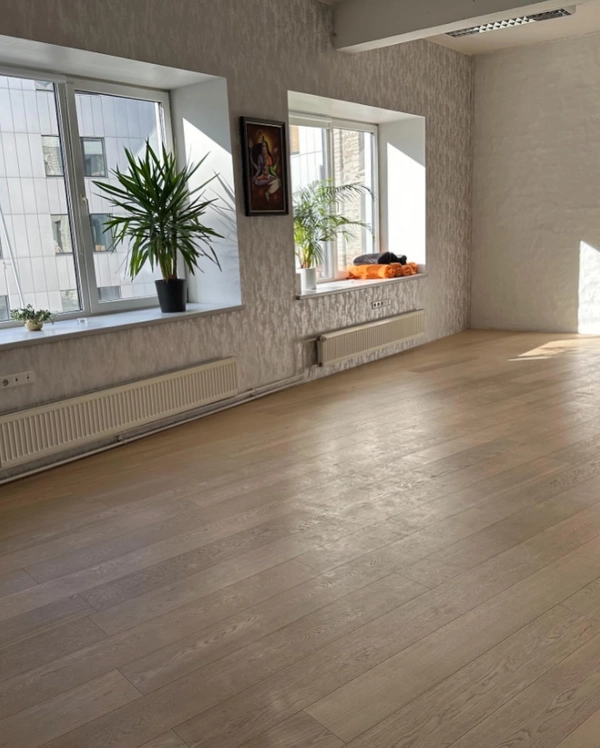
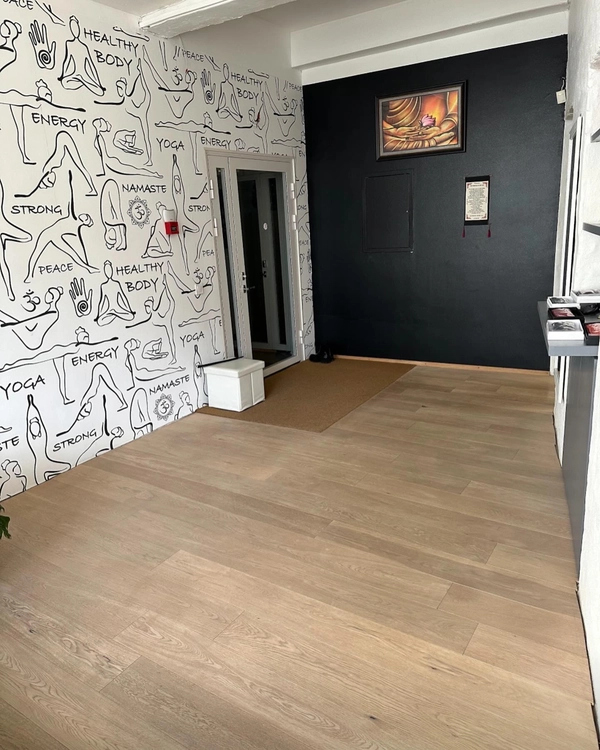
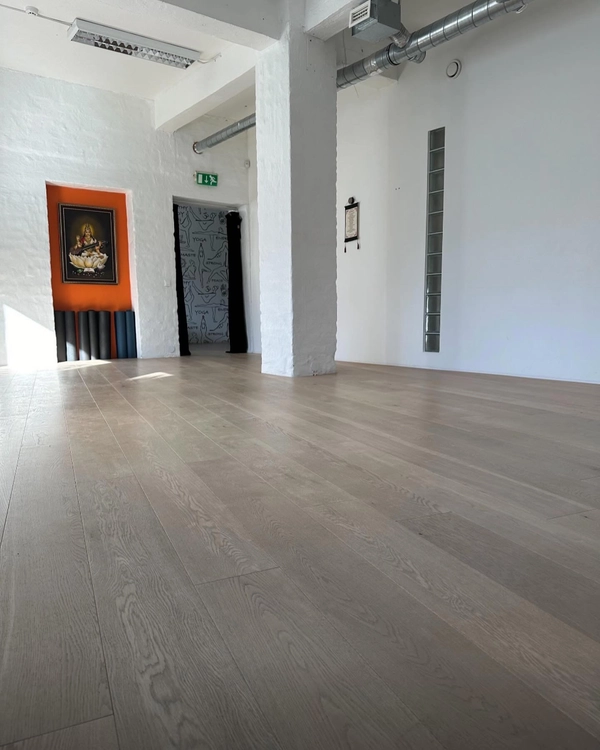
Restorative yoga sessions at Goyoga Tallinn are designed to create the deepest possible sense of safety and comfort. The studio's warm, quiet environment on the third floor at Narva mnt 7D provides a natural sanctuary away from city noise. Soft lighting, carefully chosen music (or intentional silence), and a generous supply of high-quality bolsters, blankets, and eye pillows set the foundation for each class.
A typical restorative yoga class at Goyoga Tallinn includes only 4 to 6 poses over 75 minutes. Each pose is carefully set up with multiple props so that every part of your body is fully supported. Common poses include supported child's pose, reclining bound angle (supta baddha konasana), supported bridge, and legs-up-the-wall. The teacher guides you into each position, adjusts your props for optimal comfort, and then invites you to remain completely still while your body absorbs the benefits.
Restorative yoga pairs beautifully with other practices at Goyoga Tallinn. Many students combine it with Sound Bath sessions for an even deeper relaxation experience, or use it as a recovery day between more dynamic classes like Vinyasa Flow or Yin Yoga. The practice is also an excellent companion to meditation, helping quieten a restless mind through physical stillness first.
The science behind restorative yoga
Restorative yoga's benefits are well documented in clinical research. A study published in the Journal of Clinical Oncology found that restorative yoga significantly reduced fatigue and improved vitality in cancer survivors, demonstrating its powerful effect on the body's recovery systems. Research published in Psychoneuroendocrinology showed that passive relaxation practices like restorative yoga reduce cortisol, the primary stress hormone, and improve markers of immune function.
The mechanism is straightforward: when the body is fully supported and still for extended periods, the vagus nerve is stimulated, shifting the autonomic nervous system from sympathetic (stress) dominance to parasympathetic (recovery) dominance. This vagal tone improvement has been linked to better heart rate variability, reduced inflammation, improved digestion, and enhanced emotional regulation. Yoga Alliance recognises restorative yoga as a distinct therapeutic modality within the broader yoga tradition, suitable for all ages and fitness levels.
Frequently Asked Questions
Do I need any yoga experience to try restorative yoga?
No experience is needed at all. Restorative yoga is one of the most accessible yoga styles because there is no physical challenge involved. You simply lie down on props and rest. The teacher sets up each pose for you and adjusts the bolsters, blankets, and blocks to fit your body perfectly. At Goyoga Tallinn, beginners are always welcome. Try the Studio Explorer Pass for 29 euros, which gives you 3 trial classes to explore different styles.
What is the difference between restorative yoga and Yin Yoga?
The key difference is intention. Yin Yoga involves a moderate stretch held for 3 to 5 minutes to target fascia and connective tissue. Restorative yoga involves zero stretch. You are completely supported by props so that your body can fully relax without any physical effort. Restorative yoga focuses on nervous system recovery and stress relief, while Yin Yoga focuses on flexibility and deep tissue release. Both are offered at Goyoga Tallinn and complement each other wonderfully.
Can restorative yoga help with insomnia or poor sleep?
Yes, restorative yoga is one of the most effective natural approaches for improving sleep quality. The practice teaches your nervous system how to shift from a state of alertness to deep rest, which is exactly the skill that people with sleep difficulties need to develop. Research shows that regular restorative yoga practice reduces cortisol levels and improves vagal tone, both of which are directly linked to better sleep. Many Goyoga Tallinn students combine restorative yoga with Sound Bath sessions for maximum sleep-enhancing benefits.
What should I wear and bring to a restorative yoga class?
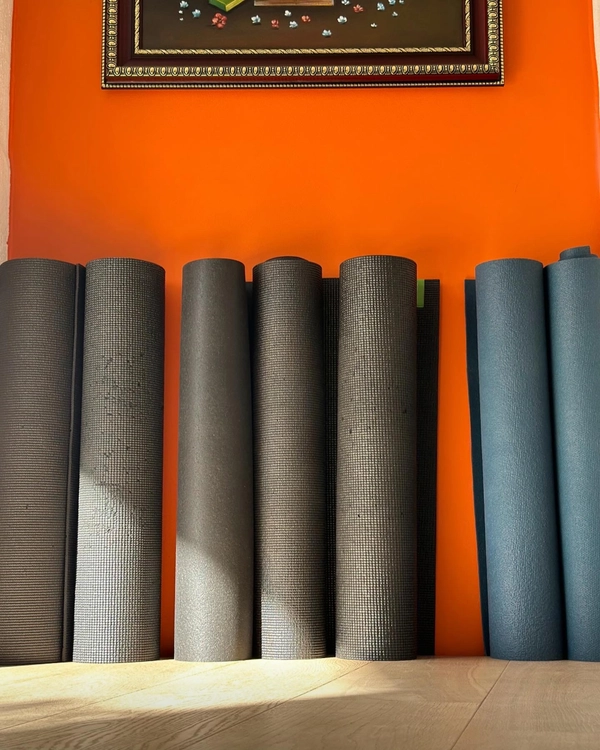
Wear soft, warm, comfortable clothing. Since restorative yoga is completely passive, your body temperature will drop during the session, so layers are recommended. Warm socks, a long-sleeved top, and loose trousers work well. Goyoga Tallinn provides all the equipment you need: mats, bolsters, blankets, blocks, straps, and eye pillows. You do not need to bring anything except yourself. If you have a favourite blanket or eye pillow, feel free to bring it along.
Is restorative yoga safe during pregnancy or after surgery?
Restorative yoga is generally considered safe during pregnancy and post-surgery recovery, though certain poses may need modification. During pregnancy, some reclining positions are adjusted to avoid lying flat on the back in the second and third trimesters. After surgery, your doctor's clearance is recommended before starting any practice. Inform the teacher about your condition before class, and they will adapt the prop setup and pose selection to ensure your complete comfort and safety.
Experience complete relaxation
Give your nervous system the rest it needs. The Studio Explorer Pass (29 euros) lets you try 3 different classes. Combine a restorative yoga session with a Sound Bath and a Yin Yoga class for the ultimate recovery experience.
Includes 3 yoga classes of your choice. Valid for 30 days.
Need help finding the right style?
Leave your contact details and we will help you find the most suitable class and teacher.
Discover More
Yin Yoga
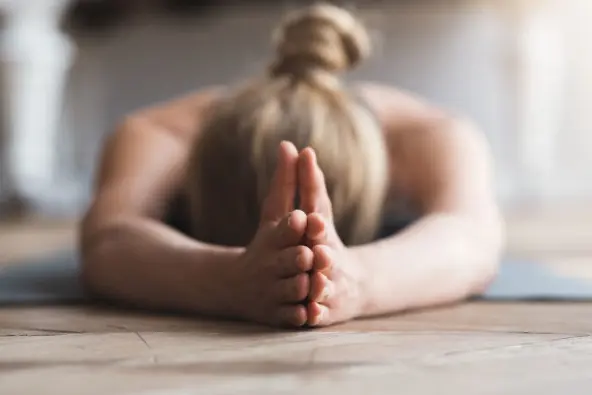
Deep tissue release through passive stretching. Gentle holds of 3 to 5 minutes targeting fascia and connective tissue.
Sound Bath for Sleep
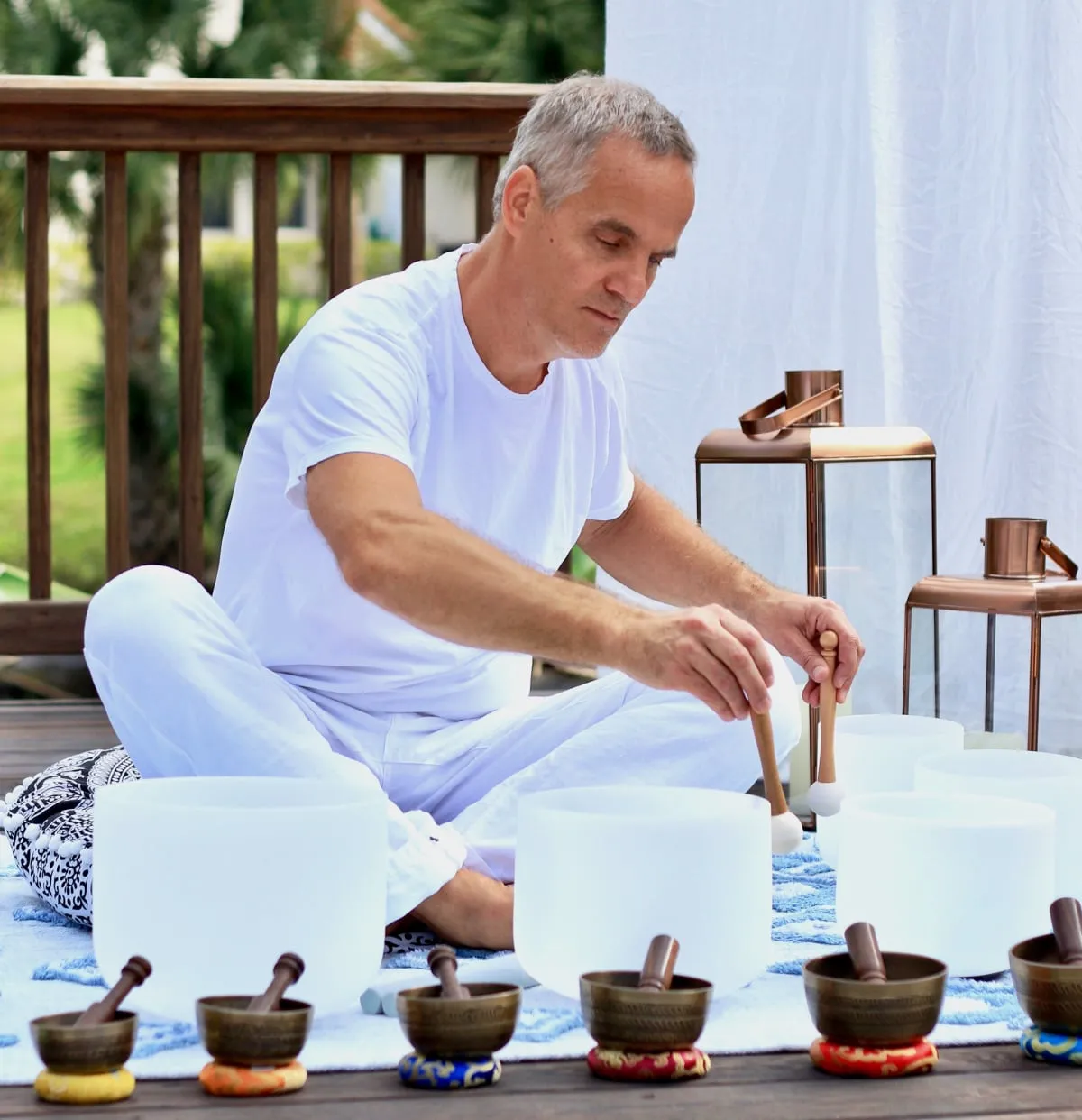
Gongs, crystal bowls, and deep relaxation. A passive meditation where you simply lie down and let sound wash over you.
Yoga for Stress Relief
Evidence-based methods for stress relief through yoga, breathwork, and guided meditation.
Our Studio
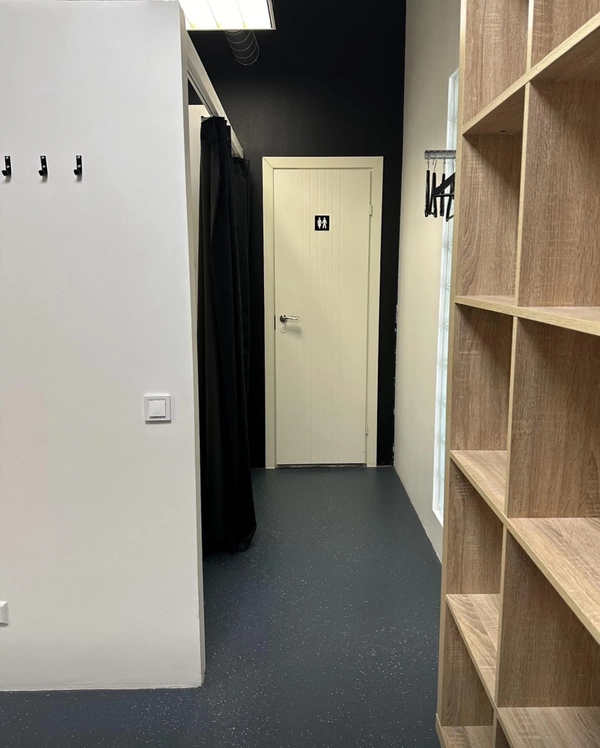
A warm, peaceful space in the heart of Tallinn, Narva mnt 7D, Block B, designed for practice and restoration.